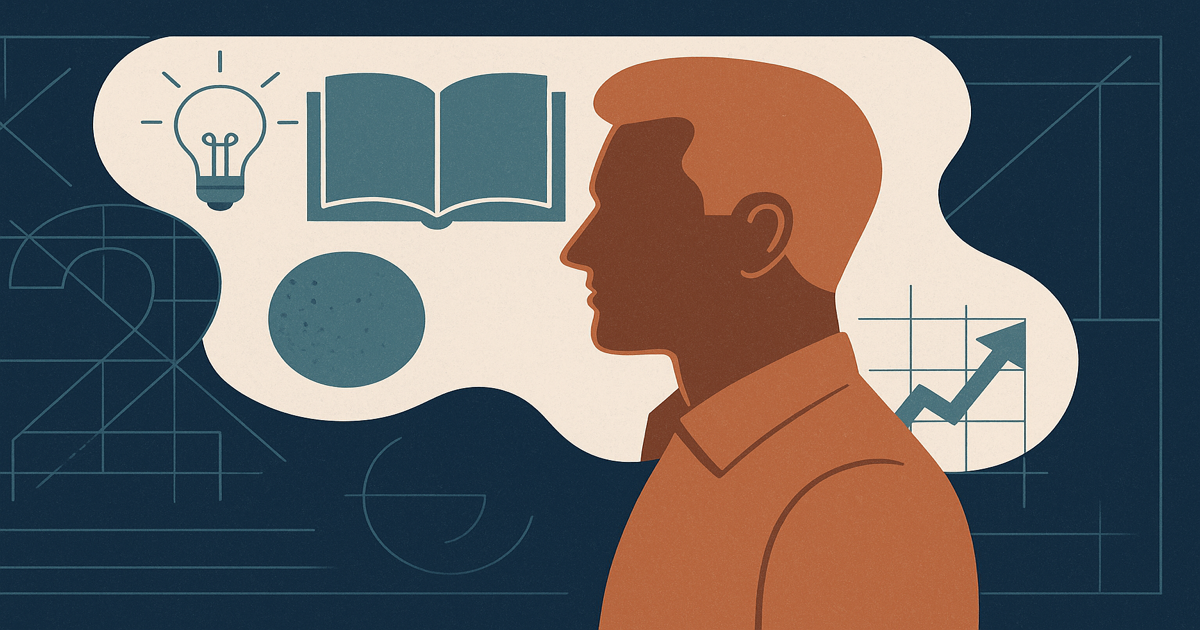
How Engineering Teams Can Measure the Value of AI
AI's value on an engineering team shows up as faster cycle time, steady quality, contained risk, and honest cost — not as prompt counts or a good demo. Here is how we measure it.
+1
Read article →Loading portal...
Insights, best practices, and industry perspectives from Chapter Two.
16 articles
Filter by tag:
AI's value on an engineering team shows up as faster cycle time, steady quality, contained risk, and honest cost — not as prompt counts or a good demo. Here is how we measure it.
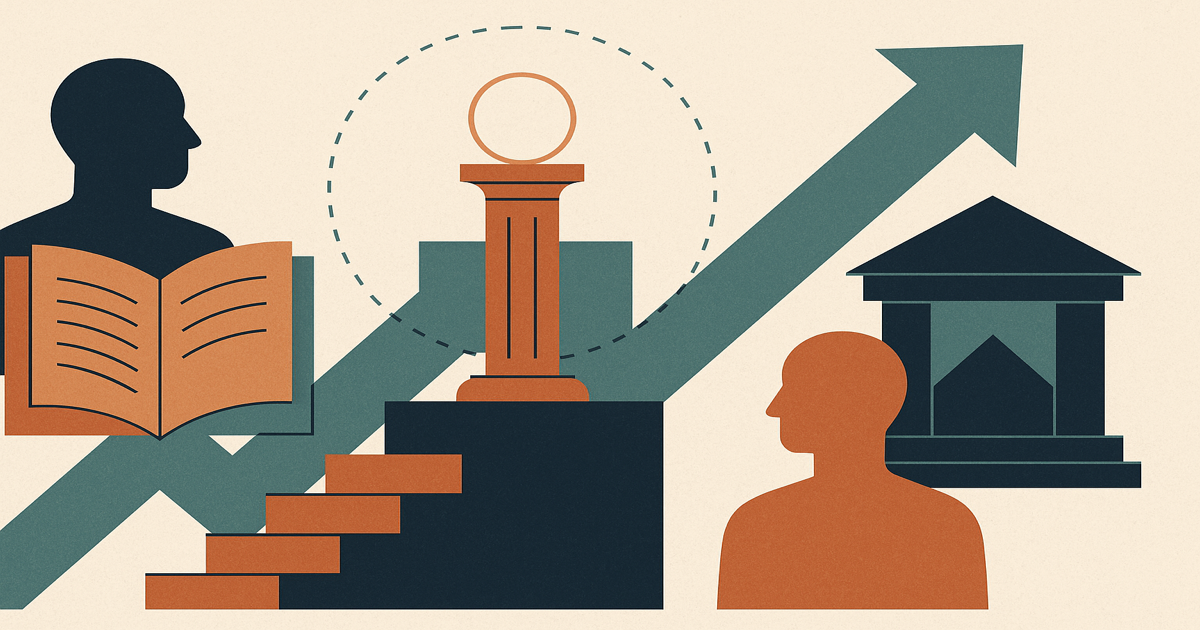
The gap between an AI demo and a production AI feature is measured in evals, logs, and fallbacks. This is how we close it without pretending the uncertainty went away.
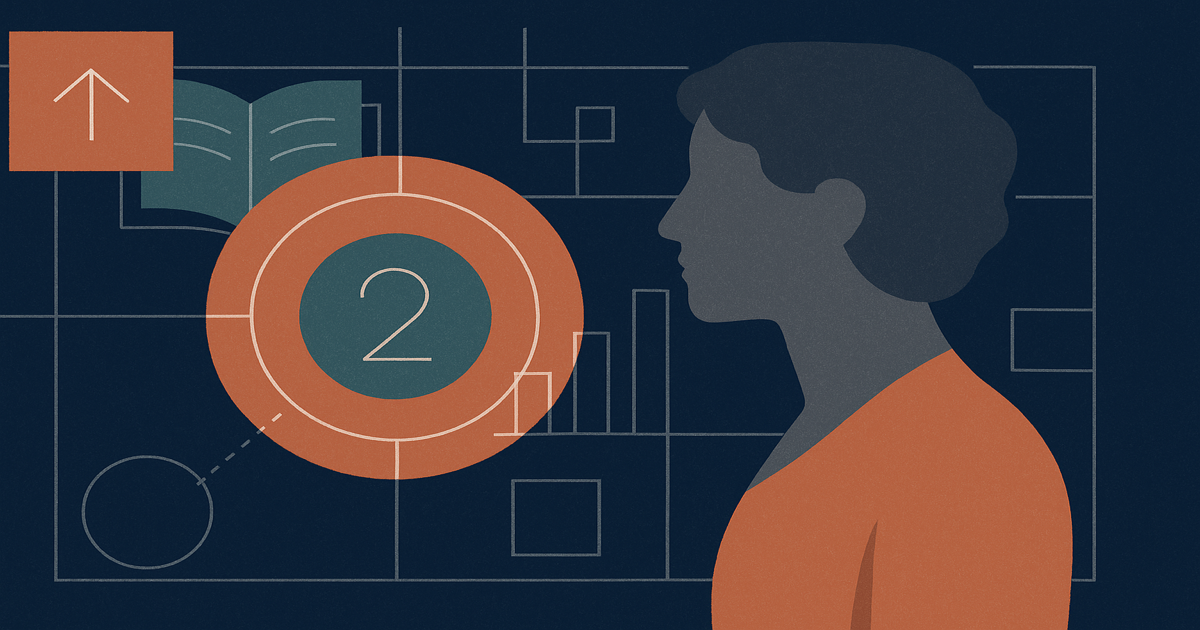
AI, automation, and deterministic code are three tools with different failure modes and different bills. The skill is not preferring one — it is matching each job to the cheapest mechanism that is reliable enough to trust.
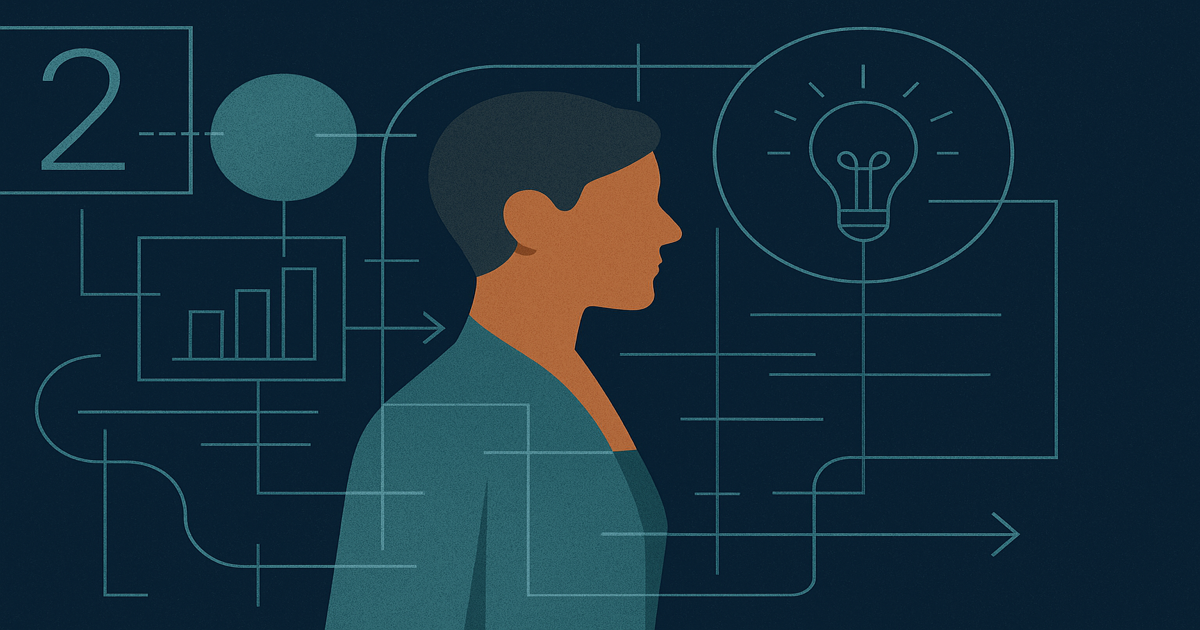
AI-native architecture is mostly an exercise in boundaries: deciding where the system is allowed to be uncertain, and building everything around that decision so the uncertainty stays contained.

The enterprise stack is old, load-bearing, and not going anywhere. Integrating AI means fitting it into what already exists—wrapping, governing, and measuring—rather than pretending you can start clean.
Enterprises keep buying AI and wondering why nothing changes. The tools are rarely the problem. Adoption stalls because it is treated as a purchase when it is actually a systems change in engineering.
AI makes it trivial to produce more code, faster. It does nothing to guarantee that code is worth keeping. Velocity is only valuable when it is paired with the gates that stop silent debt.

A well-funded startup can afford more of everything except good judgment. AI changes what a small senior team can cover—if you treat it as leverage on craft, not a substitute for it.

Running more agents feels like more capacity. Often it is more coordination overhead wearing a capacity costume. Here is where multi-agent development actually helps.
Coding agents do not create discipline or destroy it. They amplify whatever discipline they find. The job is to make sure they find some.

AI can generate a feature in minutes and a plausible-looking mistake just as fast. The workflow that turns a product idea into production software is what separates the two.

Adding engineers rarely doubles output, and adding AI naively multiplies the noise. An AI-optimized team is designed—roles, rituals, and evidence—not just staffed.
AI has automated the typing, not the thinking. Architecture, product judgment, security, ambiguity, and accountability remain stubbornly, valuably human.
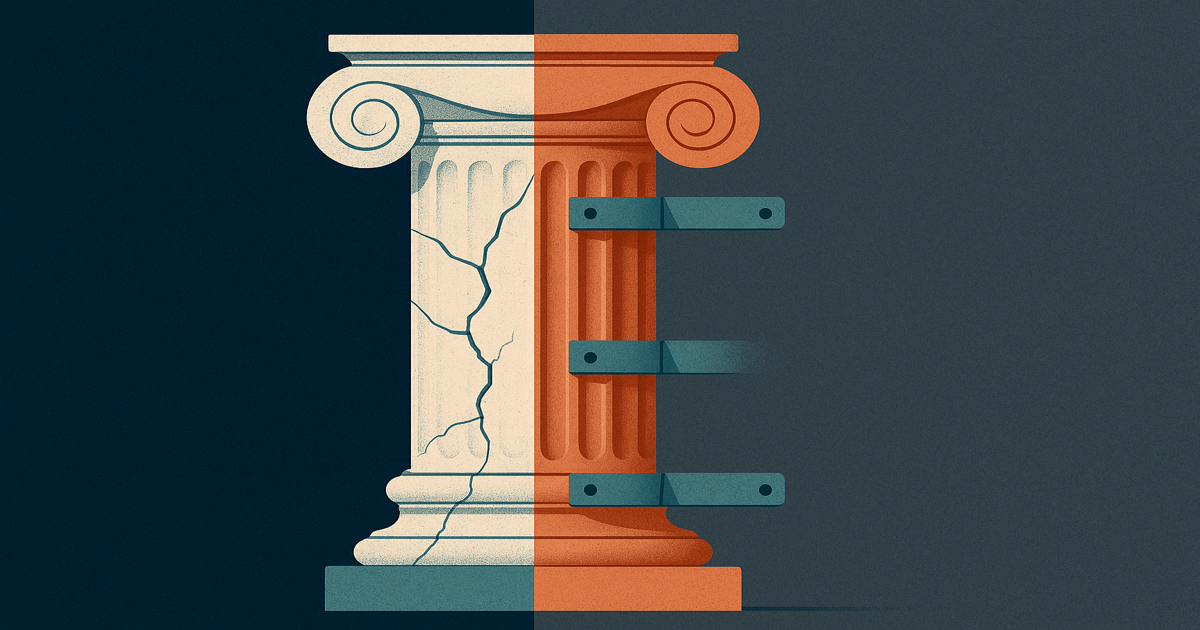
AI-generated code has a dangerous property: it looks finished long before it is correct. Confidence is not competence, and the gap is where the bugs live.
Everyone obsesses over prompt wording. In practice, the prompt is the smallest variable. What decides whether AI development succeeds is the system around it.
Vibecoding has become shorthand for building software by conversing with AI. That definition is fine for a demo and dangerous for a business. Here is what it really is.